Supporting Veterans Facing Homeownership Challenges in 2026

Angela Martellaro • May 18, 2026

Veterans homeownership challenges include systemic hurdles such as the recent expiration of pandemic-era foreclosure protections, rising interest rates, and market discrimination against VA loans. These barriers can force service members into precarious financial situations.

Why is Memorial Day a time to discuss veteran homeownership?

As we observe Memorial Day, our focus naturally turns to honoring those who sacrificed in service to this country. For me, as a real estate agent, it is also a time to reflect on how we treat the living veterans who returned home. A home is more than just a roof; it is the cornerstone of the American Dream—a dream that many veterans find increasingly difficult to secure and maintain.

In recent years, the intersection of a volatile economy and a competitive housing market has created a unique set of obstacles for military families. While Memorial Day is a day of remembrance, it should also be a day of advocacy. Ensuring that those who served have a stable place to live is more than a policy goal; it is a matter of social justice. Veterans are 50% more likely to become homeless than the general population. Programs like the Veterans Community Project Village in Kansas City, a neighborhood of tiny homes, is one example of how creative approaches to housing benefit whole communities.

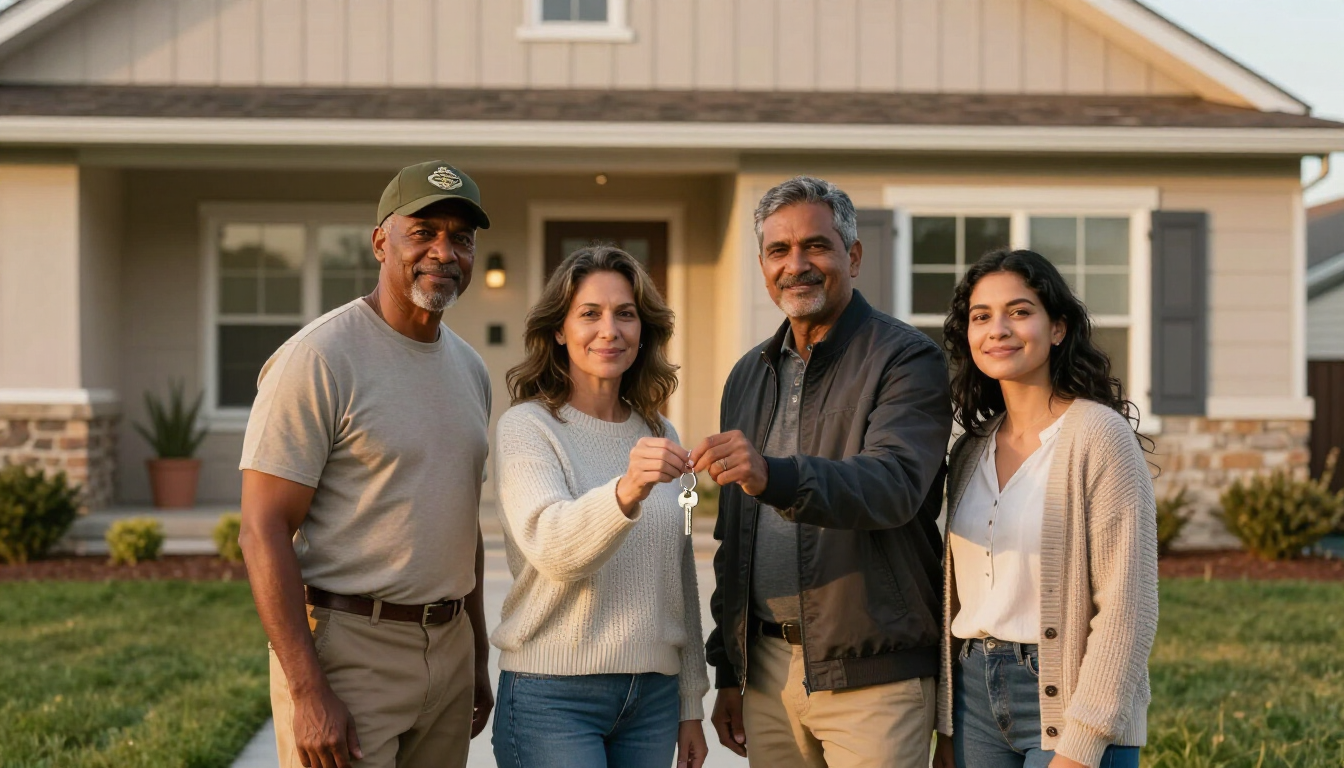
Veterans family in front of home

What challenges do veterans face when buying a home today?

Even with the benefit of the VA loan—one of the most powerful mortgage tools available—veterans often start at a disadvantage in a "seller's market." Here in Kansas City, I have seen firsthand how misconceptions about VA appraisals and inspection requirements can lead sellers to favor conventional or cash offers over those from veterans.

Beyond market bias, veterans face several specific hurdles:

  • Competitive Bidding Wars: Sellers often incorrectly perceive VA loans as slower or more difficult to close.
  • Appraisal Gaps: VA appraisals are rigorous, which can create friction when home prices are inflated.
  • Rising Interest Rates: High rates hit those on fixed incomes or limited savings particularly hard.
  • Limited Inventory: A lack of affordable starter homes makes it difficult to use VA benefits effectively.
  • Closing Cost Misunderstandings: Many veterans struggle to find sellers willing to contribute to closing costs in a tight market.

As a Buyer's Agent who understands the nuances of the VA loan, I've helped veterans navigate our local housing market and successfully get their offers accepted.

Recent Obstacles in the VA Mortgage System

A recent report by NPR highlighted a terrifying reality for thousands of veterans: the risk of losing their homes. During the pandemic, the VA offered a pause on foreclosures, but when that program ended, many veterans found themselves without a clear path to catch up on missed payments.

For many, a standard "loan modification"  wasn't enough, as interest rates had doubled since they first bought their homes. This created a scenario where a veteran might be offered a "rescue" plan that actually increased their monthly payment by hundreds of dollars—an impossible ask for many families. An initiative called the Veterans Affairs Servicing Purchase (VASP) program—which allowed the VA to buy these troubled loans and modify them to a more affordable 2.5% interest rate—was canceled by the Trump administration in May of 2025. In the year since then, more than 10,000 veterans have lost their homes to foreclosure. Another 90,000 may be facing foreclosure soon.

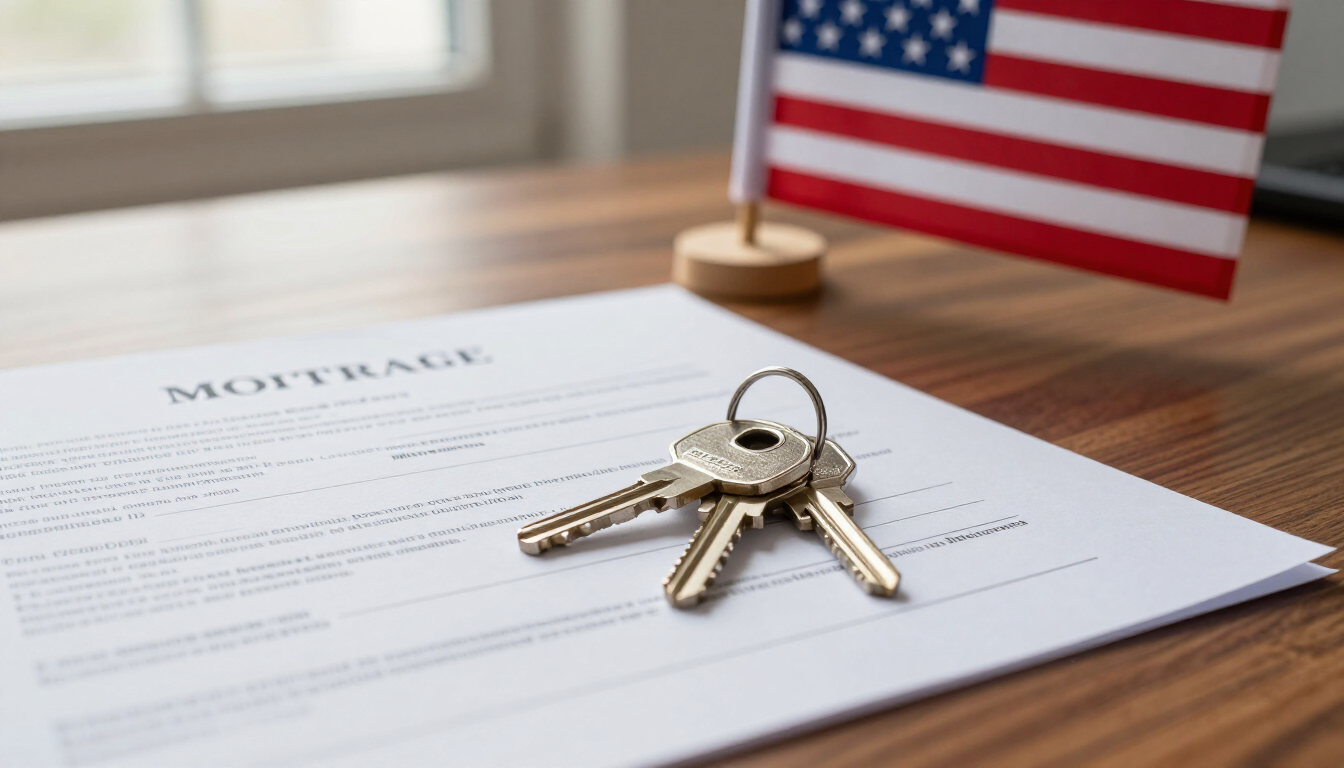
Legal documents and keys

How can we better support veteran homeowners?

Supporting veterans requires a multi-pronged approach that goes beyond simply saying "thank you for your service." It involves educating the real estate community and the public about the reliability of VA loans. It also means advocating for policy changes that prevent predatory lending and ensure that foreclosure aversions are permanent fixtures rather than temporary band-aids.

As a Realtor® with over 12 years of experience, I make it a priority to educate Sellers on the benefits of accepting VA offers from my Buyer clients. I connect my VA Buyers with reliable local lenders who provide personalized service and make sure we get to the closing table on time. Working with the right team and using a smart strategy from the start can help VA buyers not only find their dream home, but stay in it for a lifetime.

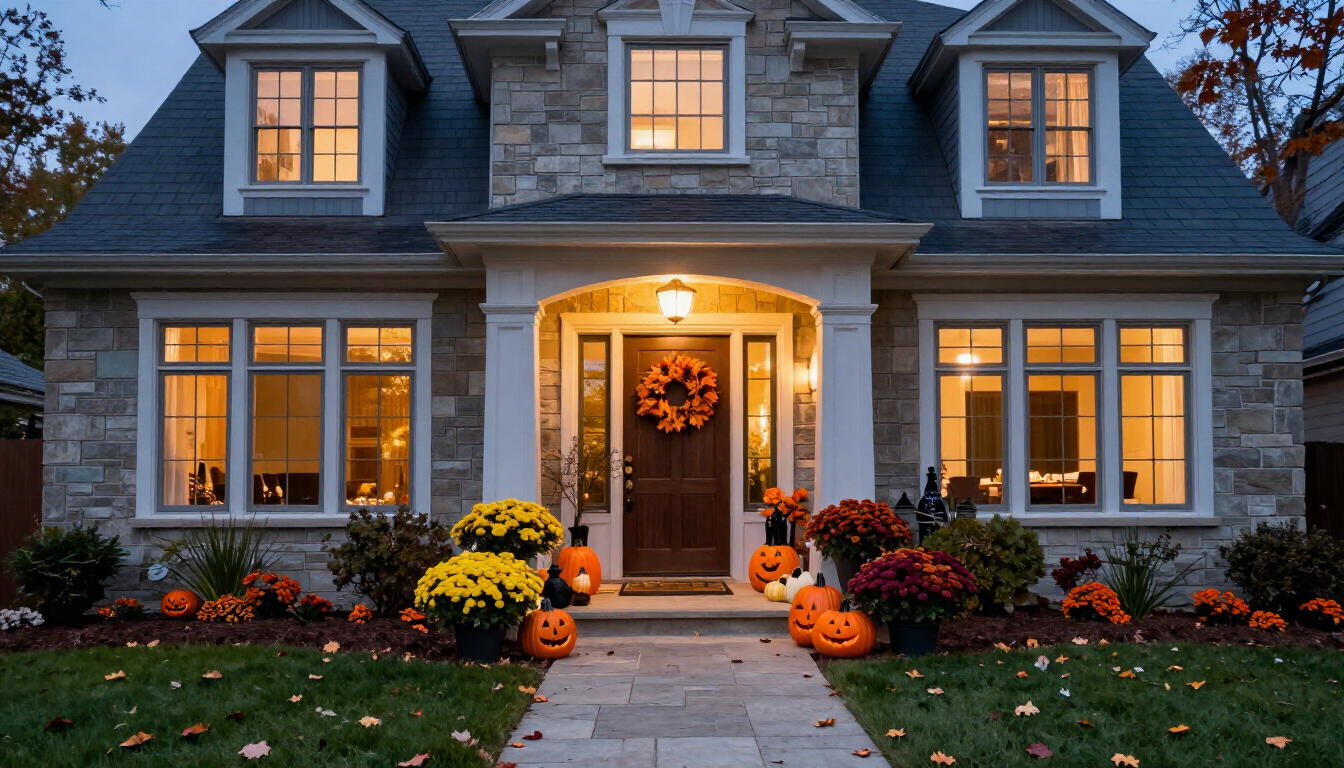
Front view of a stone house with lit windows, a glowing porch, and autumn flowers lining the walkway
By Angela Martellaro • October 23, 2026
Happy spooky season, Kansas City! As your local real estate agent, I love seeing all the unique ways homeowners decorate for Halloween! But if you suspect your home might house ACTUAL ghosts, I have a scary story for you: a surprising number of "haunted" house cases aren't supernatural at all. They're caused by carbon monoxide (CO) poisoning! The Science Behind the "Spooks" Throughout history, many reports of ghostly phenomena—from feeling an eerie presence watching you in the hallway to hearing weird "whooshing" noises—have been traced back to dangerous carbon monoxide leaks from broken heating systems. In a famous documented case from 1921, a family moved into a home and began seeing apparitions of a woman in black and feeling watched, only to discover two days after moving in that their broken furnace was flooding the home with carbon monoxide. Toxicologists explain that toxic gas exposure alters brain chemistry, causing vivid hallucinations, chest tightness, and a heavy sense of impending doom. In short: you might not need an exorcist, you might just need to service your HVAC! "Spooky" Symptoms to Watch Out For If your home starts giving you eerie feelings, pay close attention to your body. Common symptoms of carbon monoxide poisoning include: Visual apparitions & auditory hallucinations (such as hearing mysterious "whoosh" or ocean-like sounds) An unexplained feeling of dread or the sensation that someone is watching or following you Physical pressure or pain in your chest Headaches, pale skin, fatigue, and general feeling of illness Common Household Sources of Carbon Monoxide (CO) Carbon monoxide is an odorless, colorless gas created when fuel burns incompletely. In residential homes, primary sources include: Faulty or broken furnaces and boilers Gas leaks Unserviced gas-burning appliances (including water heaters) What to Do If You Suspect a Leak If you suspect a carbon monoxide leak or experience any of the symptoms above: Evacuate Immediately: Get all family members and pets out of the house into fresh air right away. Call for Help: Contact 911 or your local gas utility immediately to test for a leak, as unchecked exposure can quickly become fatal. Get an Inspection: Have a licensed HVAC technician thoroughly inspect and service your system Keep the Ghosts Away: Check Your CO Detectors! The single best line of defense for your home and family is installing carbon monoxide alarms . Pro-Tip for Homeowners: Test your CO detectors monthly, replace batteries regularly, and make sure you have alarms installed on every level of your home (especially outside bedrooms). Looking to Buy or Sell in the Kansas City Metro? If you're panic selling after a paranormal encounter, call Ghostbusters! Otherwise, call me! Reach out today to chat about your Kansas City real estate goals .

Modern mudroom backpack drop zone organization with cubbies and hooks
By Angela Martellaro • August 14, 2026
Master back-to-school mornings with these creative backpack drop zone and entryway organization ideas. Expert tips for Kansas City families to declutter and stay organized.
By Angela Martellaro • July 31, 2026
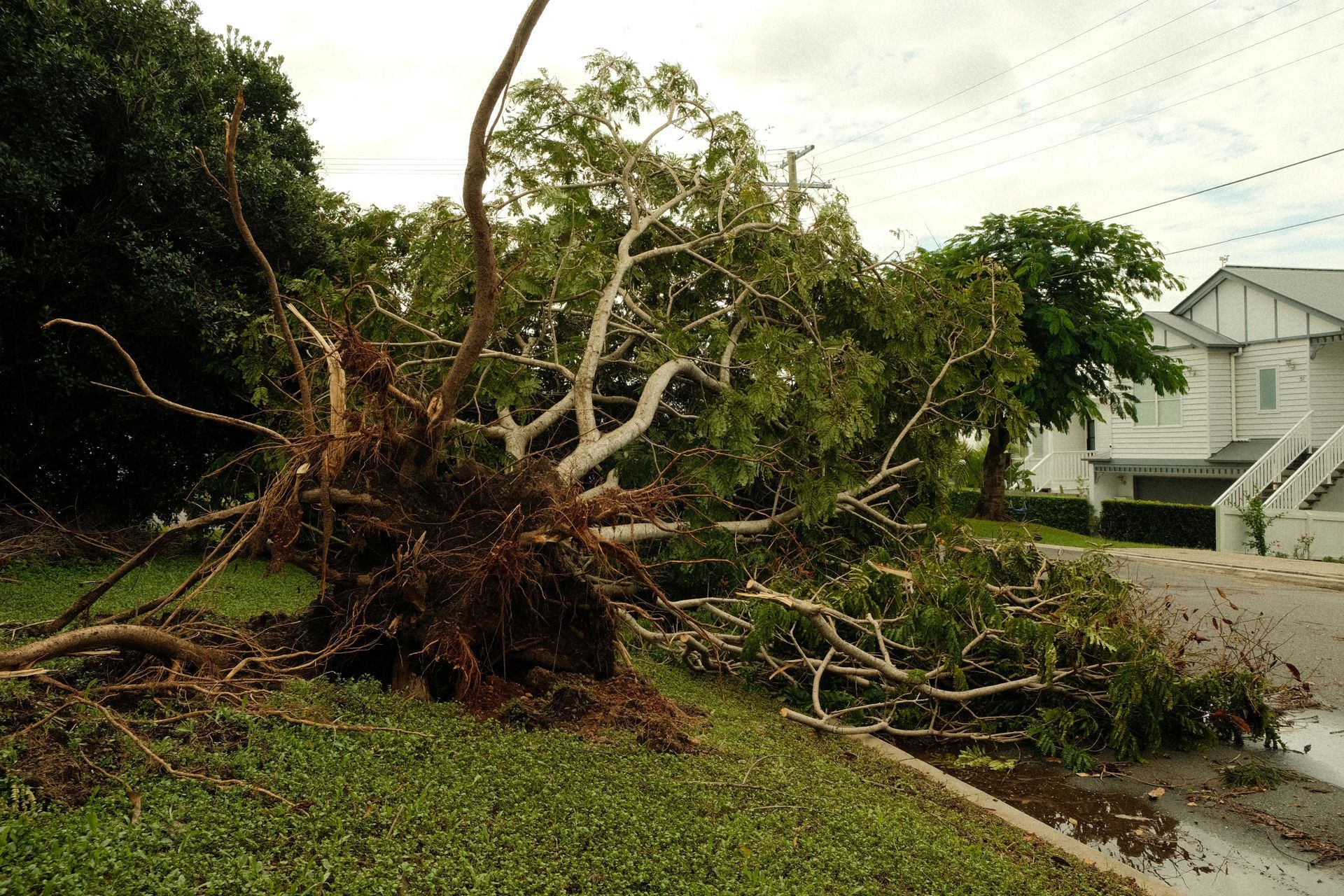
Tips to manage your home insurance costs after storm season
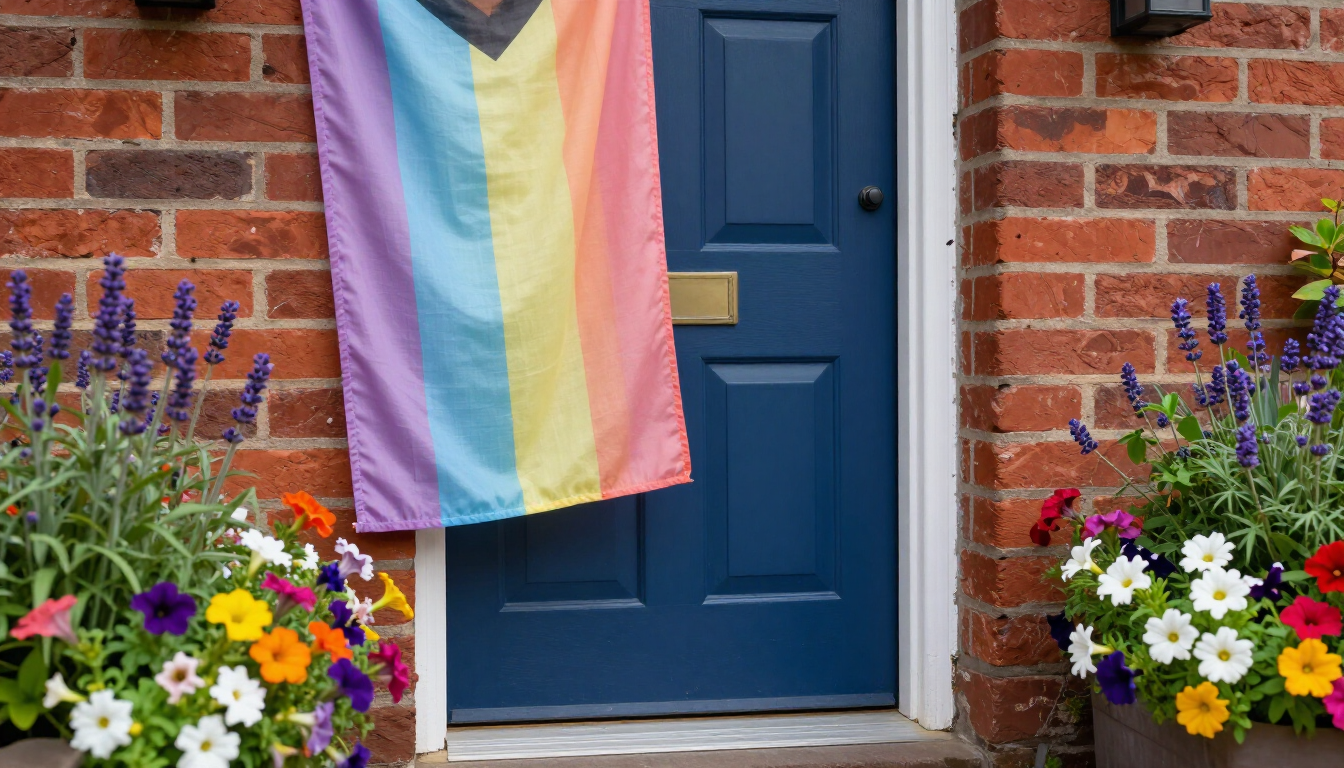
Rainbow Pride flag on a blue front door, flanked by flower pots against a brick house
By Angela Martellaro • June 1, 2026
Celebrating Pride and Homeownership Month in Kansas City